It usually happens without any warning. A parent who was fine at breakfast is on the kitchen floor by afternoon, confused, short of breath, or unable to say their own name. A paramedic arrives and asks a simple question: what medications is she on, and does she have any allergies? In that moment, the answer often lives in a pill organizer, a stack of hospital papers, or in the memory of a family member who is unavailable.
We hear from families who feel this worry every day. You may know your parent's medications and doctors by heart, but you can't always be there, and your parent may not be able to tell an emergency crew what they need to know. A simple, one-page emergency sheet kept where first responders will look can close that gap.
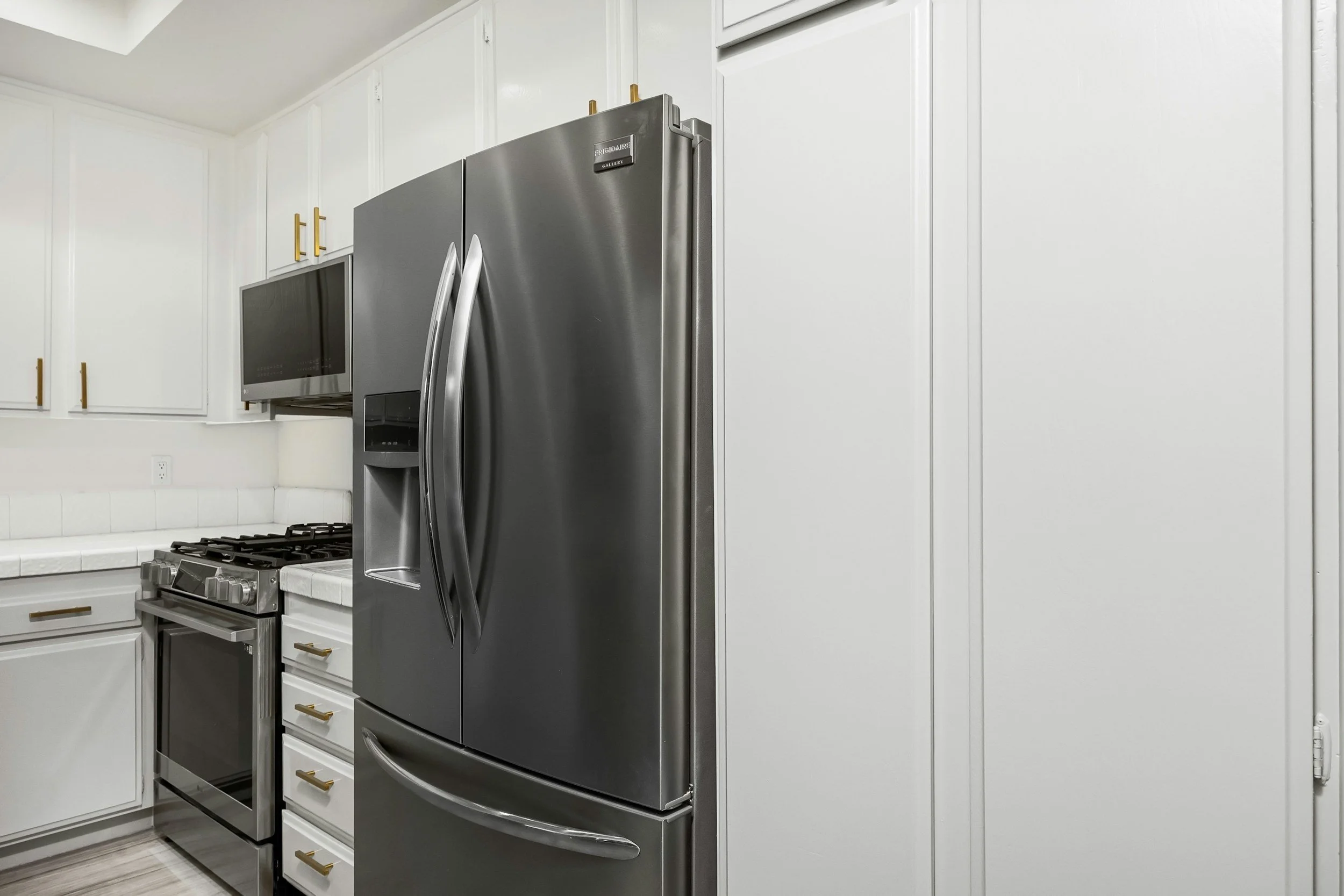
Why the Fridge?
The refrigerator location is useful because emergency workers are often trained to look there first. A sticker on the front door or window can tell them the information exists before they step inside. Many communities have a program called the Vial of Life. Its name comes from the idea of keeping a person's medical information in a clearly labeled container in the home. Here is how it generally works:
A completed medical information form is placed inside a sealed folder or container.
The container is kept on the refrigerator, which is one of the most consistently found, easy-to-identify objects in a home.
A decal is placed on the front door or a window to alert responders that the information is there.
The program has been adopted by many local fire departments and community organizations, often at no cost. Availability varies by area, so check with your local fire district or area agency on aging. If you can't find a local version, a one-page sheet kept on the fridge with the same information will still help.
What to Include
A good emergency sheet is short, clear, and current. Aim for one page, written so a stranger can read it quickly. Consider including:
Full name, date of birth, and primary language
Current diagnoses, such as heart disease, diabetes, dementia, seizure disorder, or a history of stroke
Medications, with the name, dose, how often it's taken, and what it's for.
Allergies and reactions, including medications, foods, and latex
Physician and pharmacy names and phone numbers, including the primary care provider and any specialists
Emergency contacts, with at least two people and their relationship to your parent
Hospital preference, if your parent has one
Mobility, hearing, vision, or communication needs, such as using hearing aids, glasses, or a walker
Special instructions, such as whether a copy of advance directives or a Medical Power of Attorney is kept in the home
Medication lists are the part most likely to go out of date. Ask your parent's doctor or pharmacist to review the list with you, and check with them before adding or removing anything from it.

Make It Easy to Find and Easy to Read
A perfect sheet is useless if no one can find it. A few practical steps help:
Put it on the fridge in plain view, not inside a cabinet or drawer.
Use a bright or clearly labeled folder or magnet so it stands out.
Post the door or window decal if your local program provides one.
Print in a large, clear font. Emergency situations are stressful for everyone, and readability matters.
Keep a copy in your parent's wallet or purse, and give copies to trusted family members, neighbors, and anyone who checks on them.
If your parent lives alone, let a neighbor, friend, or building manager know where the sheet is kept.
Keep It Current
The most common problem with emergency sheets is that they're out of date. A medication was stopped in March, a new doctor was added in June, and the sheet still lists the old prescription. Set a simple routine:
Review the sheet every couple of months, and always after a hospital stay, a rehab stay, or a change in medication.
Date the sheet so it's clear when it was last updated.
Replace the old copy instead of writing on top of it.
Check with your parent's doctor or pharmacist before listing any dose or changing any medication.

Include Treatment Preferences
An emergency sheet tells responders who your parent is and what they take. It does not always say what your parent wants done in an emergency. Those decisions belong in separate documents, such as an advance directive or a Medical Power of Attorney, which should be discussed with your parent's doctor and an attorney if needed. Once completed, keep copies with the emergency sheet and make sure the people you named know where they are.
Start Today
You don't need a perfect sheet to get started. Here is a simple plan:
Gather the information from your parent's medication bottles, doctor's office, and pharmacy.
Ask the doctor or pharmacist to review the list and confirm the doses.
Write one page using the categories above.
Ask your local fire district whether a free Vial of Life kit or decal is available.
Post the sheet on the fridge, give copies to trusted people, and set a reminder to review it.
If you're not sure where to start, our team is glad to help families organize medications, appointments, and emergency contacts in a way that's easy to keep up to date. Reach out anytime for a no-pressure conversation.