


The Emergency Sheet for the Fridge
The refrigerator location is useful because emergency workers are often trained to look there first. A sticker on the front door or window can tell them the information exists before they step inside.

The Sibling Who Visits
The person who lives every day has watched a slow decline one small change at a time. The one who visits sees all of it at once and it can be overwhelming. If this sounds familiar, you are not alone, and neither sibling is wrong to care.
The Talk About Driving
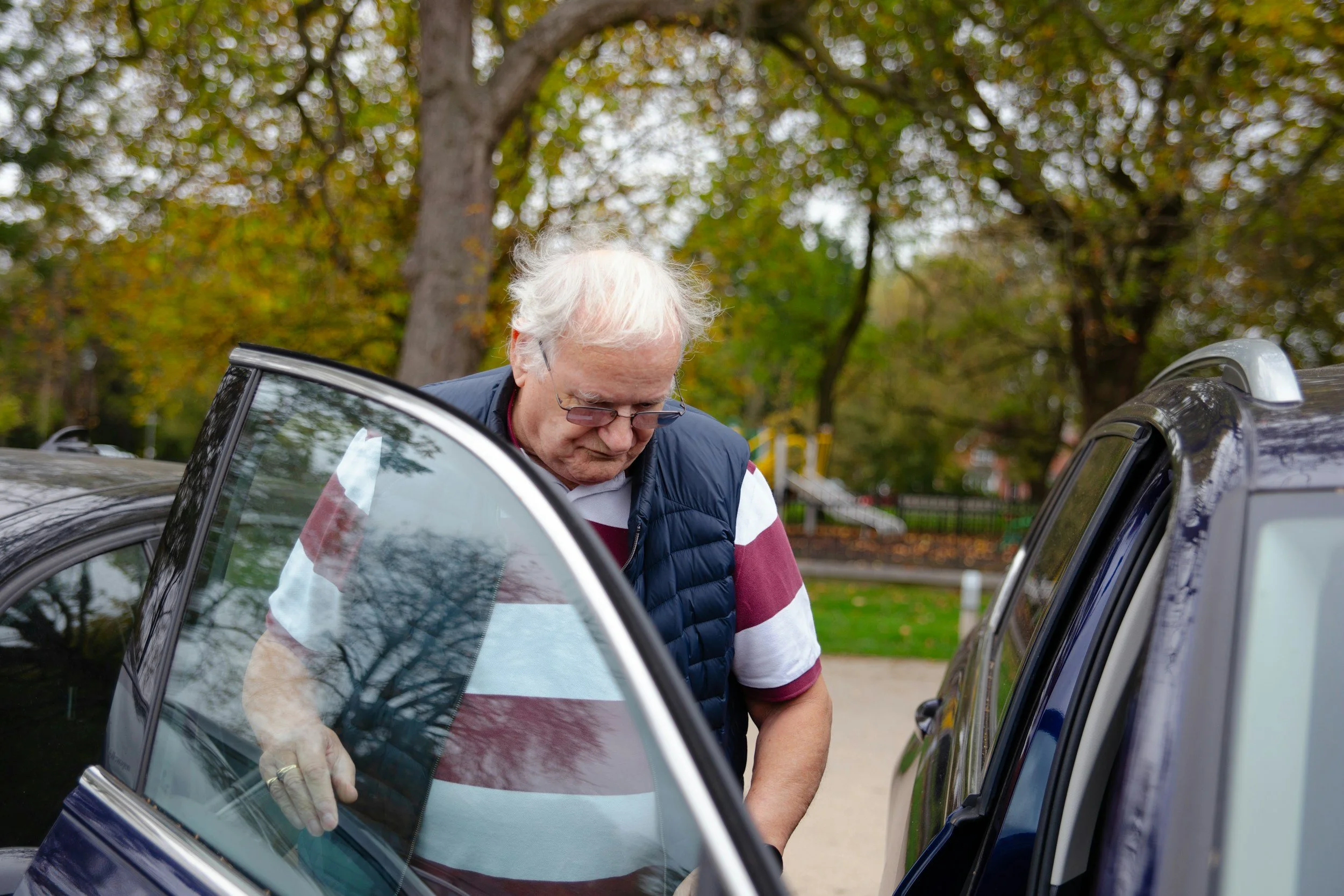
For most people, the car is freedom: the drive to church or to the grocery store without asking for a ride. So when a family asks for the keys, it feels like a threat to elderly parent's independence.

When family caregiving follows you to work. Part 9 of 9
My parents will not admit that they are having issues, or genuinely do not feel that they have issues, so they refuse to accept hired help or even schedule doctor appointments. Any advice for convincing them to accept help before a crisis?
When family caregiving follows you to work. Part 8 of 9
My parents will not admit that they are having issues, or genuinely do not feel that they have issues, so they refuse to accept hired help or even schedule doctor appointments. Any advice for convincing them to accept help before a crisis?
When family caregiving follows you to work. Part 7 of 9
My parents will not admit that they are having issues, or genuinely do not feel that they have issues, so they refuse to accept hired help or even schedule doctor appointments. Any advice for convincing them to accept help before a crisis?
When family caregiving follows you to work. Part 6 of 9
My parents will not admit that they are having issues, or genuinely do not feel that they have issues, so they refuse to accept hired help or even schedule doctor appointments. Any advice for convincing them to accept help before a crisis?
When family caregiving follows you to work. Part 5 of 9
My parents will not admit that they are having issues, or genuinely do not feel that they have issues, so they refuse to accept hired help or even schedule doctor appointments. Any advice for convincing them to accept help before a crisis?
When family caregiving follows you to work. Part 4 of 9
My parents will not admit that they are having issues, or genuinely do not feel that they have issues, so they refuse to accept hired help or even schedule doctor appointments. Any advice for convincing them to accept help before a crisis?
When family caregiving follows you to work. Part 3 of 9
How do I help my parent figure out where money is going? What can I use to help my mom set up to more easily manage her finances and her therapy appointments for the Medicare people coming to the house, and how do I know what accounts exist?

When family caregiving follows you to work. Part 2 of 9
Part two of nine: Last time, I started a series from questions that came by email (to the Going Home, Staying weekly virtual session that I cohost with other geriatric experts) from the CFO and some of his employees who are also caring for loved ones.
Q: When my mom is coming home from a skilled rehab facility after being in the hospital, what services do I need in place?

What to do when your family caregiving follows you to work. Part 1 of 9
Recently I have been cohosting a weekly Tuesday virtual mini-class at 11 a.m. PST on zoom. The title of the class is GOING HOME STAYING HOME: Advice, Tips & Practical Solutions For Caregiving Families.

What do you do when caregiving follows you to work?
Last week, we had a very engaging session. We received nine questions from a CFO who happens to need care for his parents and who also needs help for his employees who are family caregivers.

“YOU” versus “I” - What to say and how to say it so that your parents will listen
Caregiving is universally the greatest art of love. Still, it could wreck your life if you do not apply practical strategies for communicating your needs, being heard, retaining the appropriate professional services, staying sane and finding balance in your role as a family caregiver.

Resources & help for patients going home after a hospital stay
Here are three simple steps you could use to get the right type of care outside of rehab after a hospital stay.

How do you care from afar when your loved one is elderly & chronically ill? (Part 5 of 5)
This is part 5 of my long-distance family caregiving series. In recent weeks we have been covering the story of a lady named Sally who has several health problems, has been hospitalized quite a bit, and is at risk of being placed into a long-term care facility.
How do you care from afar when your loved one is elderly & chronically ill? (Part 4 of 5)
This is part 4 of my five-part long-distance family caregiving series. In parts 1, 2 and 3 we discussed Sally’s health challenges, the results of her long-term care survey and the team of professionals needed to help Sally remain in her home happily while getting good care.
How do you care from afar when your loved one is elderly & chronically ill? (Part 3 of 5)
This part 3 of my long-distance family caregiving series. In parts 1 and 2, we discussed Sally’s health challenges, the lack of a long-term care plan, the stress associated with her care, and the steps I used to help Sally and her son.
How do you care from afar when your loved one is elderly & chronically ill? (Part 2 of 5)
Sally has to decide to either go into an assisted living community or stay at home. Her son lives on the east coast, and he does not have a plan to care for his mom from afar. His dad (Sally's husband and then caregiver) died recently. So how do I begin to help Sally and her son? This is a popular question amongst caregiving families.
How do you care from afar when your loved one is elderly & chronically ill? (Part 1 of 5)
Caring from afar is also known as long-distance family caregiving. This series is inspired by a son who lives on the east coast but cares for an aging parent in our community.