

Few conversations with an aging parent carry as much weight as the one about driving. For most people, the car is freedom: the drive to church, a trip to the grocery store, the ability to visit a friend without asking anyone for a ride. So when a family starts to worry about the keys, it often feels like a threat to their parent's independence and dignity.
We understand why this conversation is so hard. Most families don't know where to start, and many put it off until something happens: a dented fender, a call from a neighbor, or a near miss that scares everyone. This post can help you plan ahead, so the conversation happens while there is still time to make thoughtful choices together.
Notice the Early Signs
Driving changes usually come gradually, so families often miss them. Some signs to watch for during a ride or a visit:
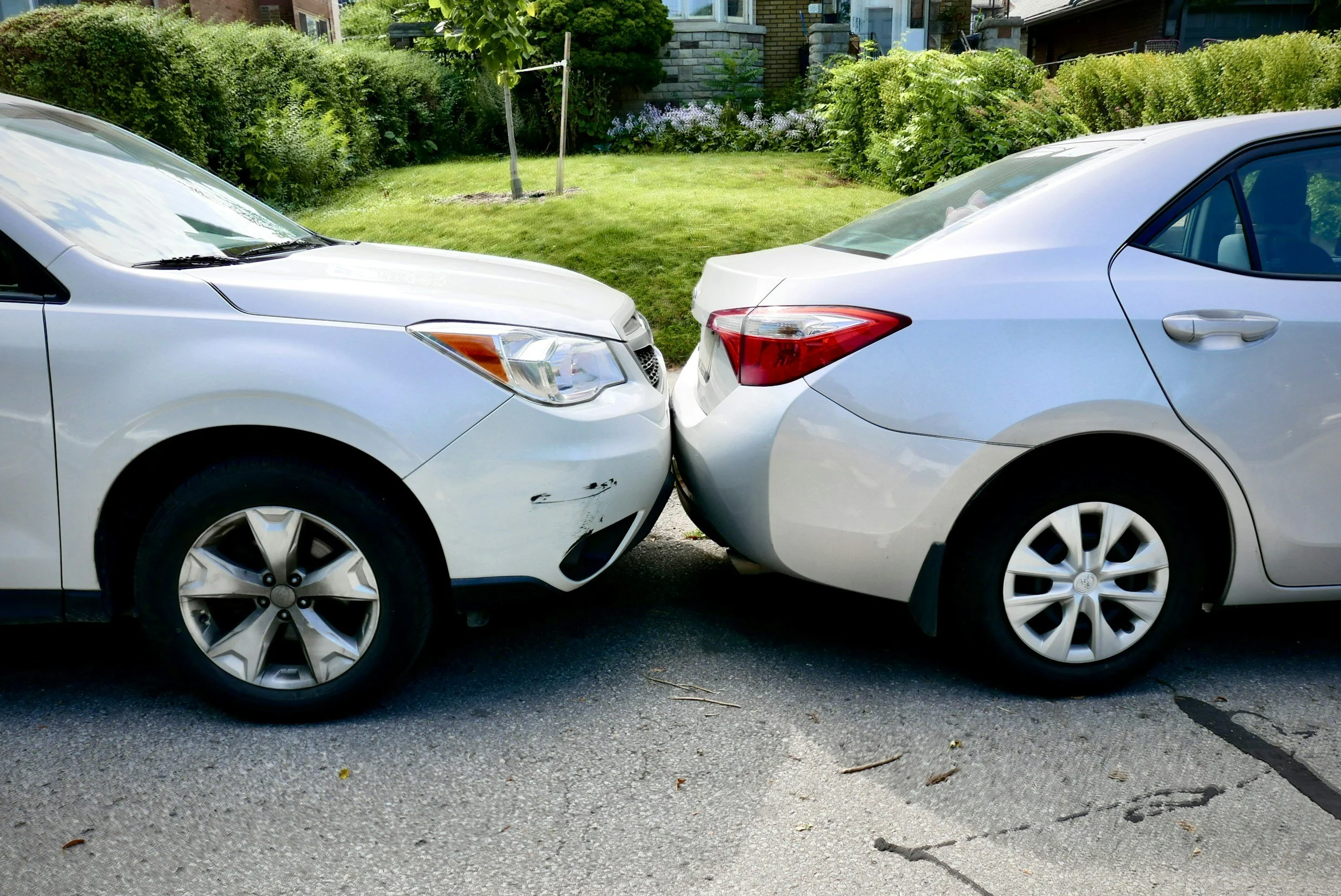
New dents, scrapes, or mirrors clipped on the car, or a car parked at odd angles
Getting lost on routes they used to know well
Missed traffic signals, stop signs, or turns
Trouble judging the speed of other cars, especially when merging or turning left
Driving much slower than traffic, or drifting between lanes
Avoiding highways, night driving, or busy intersections
Tickets, warnings, or minor accidents they didn't mention
Friends or neighbors who have stopped riding with them
One sign alone may not mean much. A pattern is more useful, and it's worth writing down what you see, with dates, so your observations are concrete rather than based on a general feeling.
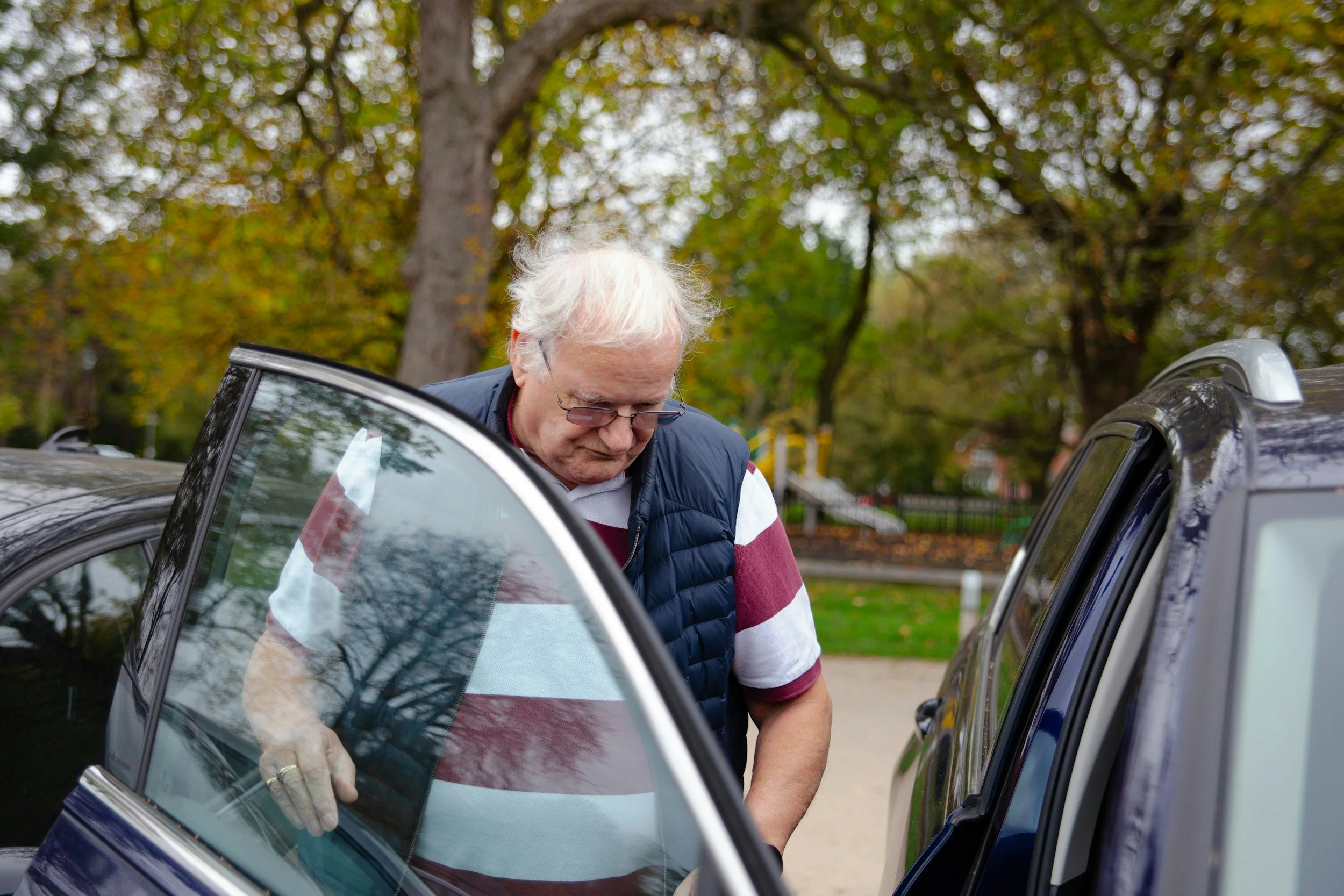
Look for the Causes Before the Conclusion
Driving difficulty often has treatable contributors. Before deciding that someone should stop driving, we recommend asking the doctor to look into the following:
Vision. Cataracts, glaucoma, and macular changes can reduce the ability to judge distance or see at night. Glasses or surgery may make a real difference.
Hearing. Hearing loss can make it harder to notice horns, sirens, or other traffic.
Medications. Some medicines cause drowsiness, dizziness, or slower reactions. Ask the doctor or pharmacist to review the full list, including over-the-counter products.
Mobility and strength. Arthritis or limited neck movement can make it hard to check blind spots.
Memory and thinking. Early changes in memory, attention, or decision-making can affect driving before other problems are obvious. A medical evaluation can help sort out what is happening.
Sleep and health changes. Recent illness, a hospital stay, or a new diagnosis can temporarily affect driving, sometimes in ways that improve with recovery.
Bringing these questions to the doctor shows your parent that you are looking for solutions, not just taking away their car.
Get an Objective Driving Evaluation
Driver rehabilitation specialists and occupational therapists offer evaluations that typically include a clinical screening of vision, reaction time, and cognition, followed by an on-road drive with a trained evaluator. Some are available through local hospitals, rehabilitation programs, and driving schools.
A professional evaluation will give a clear answer: whether the driver is safe, whether changes such as limiting night driving or certain routes would help, or whether it's time to stop. Many families find that the objective report is easier for their parent to accept than criticism from a child.
Start the Conversation Before the Crisis
The most important step is often the first one: talking about it early and calmly. A few suggestions from families who have made this journey:
Choose a calm moment. Avoid the day after an accident or an argument about something else. A quiet afternoon or a drive together, where your parent is in control of the conversation, often works better.
Lead with concern, not control. Compare these two statements: "You shouldn't be driving anymore" and "I worry when you drive at night, and I want us to figure out a plan together." The second one invites your parent into the problem-solving instead of putting them on the defensive.
Ask what matters most to them. Maybe it's getting to church, keeping their hair appointment, or visiting a sibling across town. Once you know what the car means to them, you can work on keeping those things possible.
Involve the doctor. Many older adults trust their physician's opinion more than a family member's. Ask the doctor to talk with your parent about driving during an appointment.
Give it time. Most people need several conversations, not one. Be willing to pause, come back later, and revisit the plan as things change.

A Careful Next Step
If you're noticing some of the signs described here, you don't have to solve everything at once. Start by writing down what you've observed, make a doctor's appointment to review health and medications, and think about the transportation options that would work for your parent.
Our team is glad to help families think through these questions, including coordinating care and transportation support in the home. Reach out anytime for a no-pressure conversation about what your family needs.